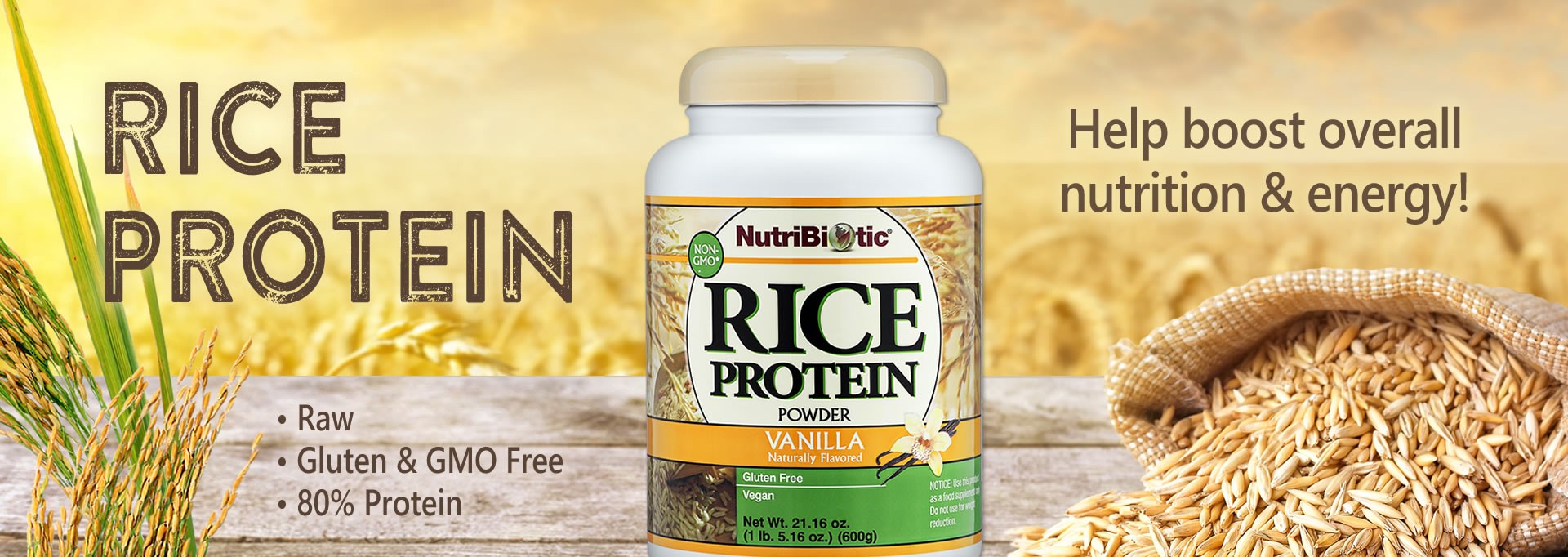
Rice Protein

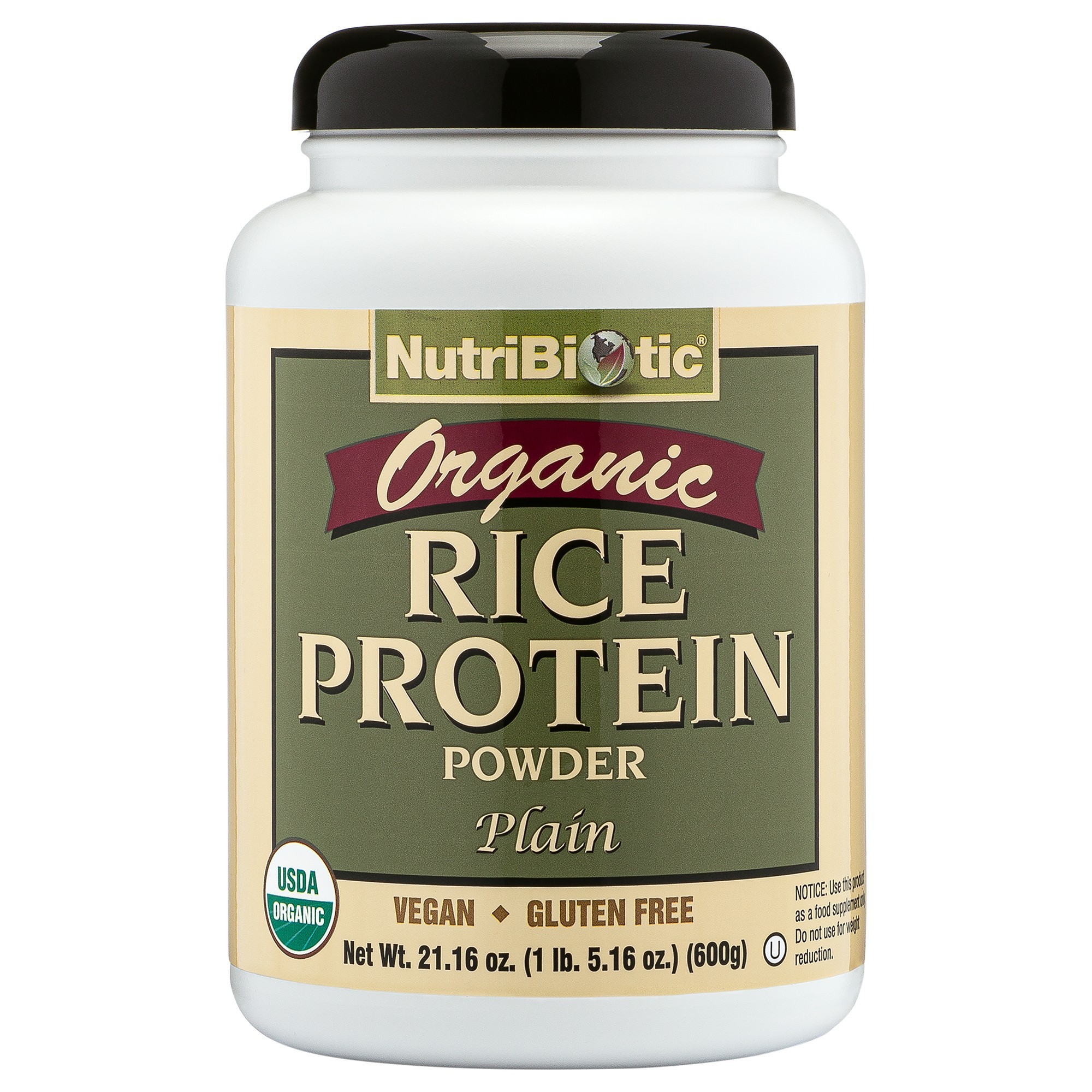
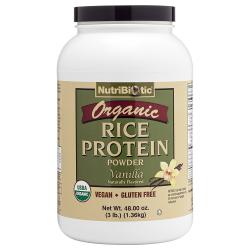
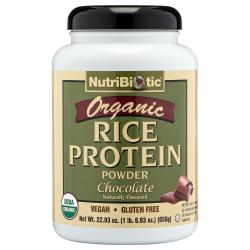
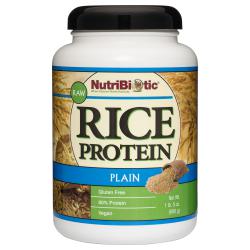
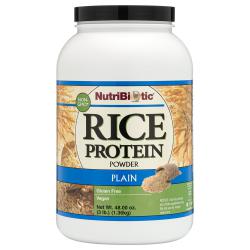
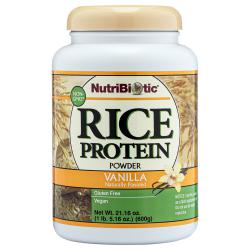
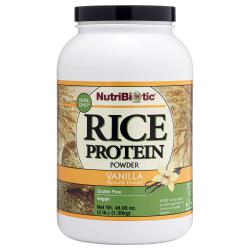
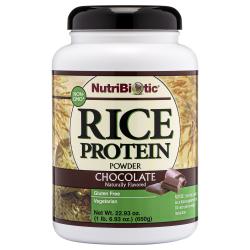
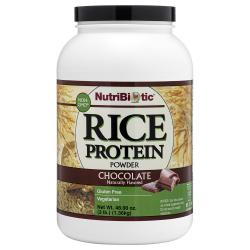
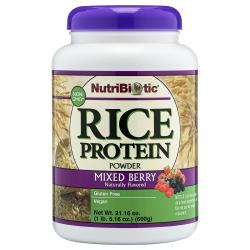
Our Rice Protein is an excellent source of high-quality, vegan (chocolate flavor is vegetarian) protein powder. Most people are familiar with soy and whey protein, and while they each provide sound nutrition, rice protein offers additional benefits. Whey protein comes from milk, and some people either cannot or do not wish to use animal-based protein. Soy protein often is difficult for people to digest and may pose allergy risks. Our Rice Protein offers an alternative to soy without the animal products of whey. And, Rice Protein is utilized more efficiently by the body than soy. It has a mild flavor similar to that of Cream of Rice cereal and may be used in beverages, sprinkled on cereals and yogurt, and added to cooked dishes to boost the protein content without adding a lot of fat or calories.
Available in:
Rice is a carbohydrate. How do you get protein from it? - All foods contain amino acids, which are the building blocks of what we collectively call protein. For instance, broccoli contains protein, as do all fruits and vegetables and grain products. We use a unique process that allows us to isolate the protein from the carbohydrate portion of the rice. The end result is an extensive amino acid profile that includes 19 amino acids including all 9 essential amino acids.
Does that mean the rice protein is chemically derived? I'm chemically intolerant and have to avoid food additives. - Our Rice Protein is not chemically processed. We use plant enzymes to break down and digest the carbohydrate portion of the rice, leaving behind the protein. Our method of extraction leaves a very pure protein, free of additives or chemicals that can cause sensitivities.
Is the Rice Protein organic? - Our original Rice Protein is not certified organic, however, it has been tested and proven to be free of pesticides, herbicides, and PCBs. We do offer Organic Rice Protein, which is also certified kosher, in Plain, Vanilla, and Chocolate.
I noticed your label gives a standard nutritional breakdown, which includes carbohydrate. What form is this carbohydrate in, and why is it there if I am buying rice protein? - The carbohydrate in the Rice Protein is a complex carbohydrate, a natural component of the rice. This amount is very minimal. No sugars have been added to the Plain, Vanilla, or Mixed Berry. And, there is only a small amount of rice syrup solids used to lightly sweeten the Chocolate.
Is Rice Protein considered a complete protein? - The term "complete protein" refers to a source of protein that contains all nine essential amino acids in adequate proportions. Rice Protein contains these nine amino acids, plus many other nonessential amino acids, but does not meet the required proportions of histidine (in the Vanilla, Chocolate, or Mixed Berry flavors) and lysine (in all flavors), or threonine (in the Chocolate flavor). All of the amino acids in our Rice Protein are naturally occurring components of the rice. We have added nothing to our product. Persons on restrictive diets would do well to consult their health care practitioner or nutritionist before adopting or rejecting the use of our Rice Protein. We cannot recommend the use of our product to treat conditions other than hunger.
For individuals looking for specific ratios of amino acids, the following charts will be helpful:
TYPICAL AMINO ACID PROFILE PER SERVING OF PLAIN |
| Alanine | 690 mg | Isoleucine* | 525 mg | Threonine* | 435 mg |
| Arginine | 975 mg | Leucine* | 1035 mg | Tryptophan* | 165 mg |
| Aspartic Acid | 1065 mg | Lysine* | 360 mg | Tyrosine | 615 mg |
| Cystine | 270 mg | Methionine* | 345 mg | Valine* | 735 mg |
| Glutamic Acid | 2160 mg | Phenylalanine* | 660 mg | ||
| Glycine | 540 mg | Proline | 555 mg | ||
| Histidine* | 270 mg | Serine | 600 mg |
TYPICAL AMINO ACID PROFILE PER SERVING OF VANILLA & MIXED BERRY |
| Alanine | 669 mg | Isoleucine* | 509 mg | Threonine* | 422 mg |
| Arginine | 946 mg | Leucine* | 1004 mg | Tryptophan* | 160 mg |
| Aspartic Acid | 1033 mg | Lysine* | 349 mg | Tyrosine | 597 mg |
| Cystine | 262 mg | Methionine* | 335 mg | Valine* | 713 mg |
| Glutamic Acid | 2095 mg | Phenylalanine* | 640 mg | ||
| Glycine | 524 mg | Proline | 538 mg | ||
| Histidine* | 262 mg | Serine | 582 mg |
TYPICAL AMINO ACID PROFILE PER SERVING OF CHOCOLATE |
| Alanine | 616 mg | Isoleucine* | 469 mg | Threonine* | 386 mg |
| Arginine | 870 mg | Leucine* | 924 mg | Tryptophan* | 147 mg |
| Aspartic Acid | 951 mg | Lysine* | 321 mg | Tyrosine | 549 mg |
| Cystine | 241 mg | Methionine* | 308 mg | Valine* | 656 mg |
| Glutamic Acid | 1929 mg | Phenylalanine* | 589 mg | ||
| Glycine | 482 mg | Proline | 496 mg | ||
| Histidine* | 241 mg | Serine | 536 mg |
* Essential Amino Acids
Which amino acids have been added, and are they from natural or artificial sources?- All amino acids in the rice protein are naturally occurring components of the whole grain, brown rice.
Does the Rice Protein contain potassium? If so, how much? - There are only very trace amounts of potassium in the Rice Protein. There is not enough to be listed on the Nutrition Facts, which means there is less than a half of a percent of the Percent Daily Value.
What is the Protein Efficiency Ratio (PER) of your Rice Protein? - The Protein Efficiency Ratio (PER) is the measure of actual protein available for the body to use. This PER is related to the percentage of the protein digested by the body. With Rice Protein, after 4 hours better than 80% of the protein has been digested, compared to only about 57% for soy. The actual PER number of Rice Protein is 2.75. Egg is the highest at 3.99, milk is second with 3.45, rice third, and soy is last with a PER of 2.32.
Is the Rice Protein gluten-free? - Yes, our Rice Protein is made from gluten-free, whole grain, brown rice and is processed using plant enzymes that are not related to wheat or any of its relatives. Therefore, processing of the rice does not contaminate the rice protein with gluten in any way. We recommend at further concerns regarding the Rice Protein for those with severe food sensitivities should consult their doctor or dietician.
Does the Rice Protein contain lead? - We are confident based on testing conducted by an independent, third-party, accredited lab and Certificates of Analysis provided by our suppliers our Rice Protein lead content falls within the FDAs Provisional Total Tolerable Intake (PTTI) level for adults.
Does the Rice Protein contain any melamine? - Click here for a statement.
Should the Rice Protein be stored in the refrigerator? - We do not recommend storing the Rice Protein in the refrigerator as it may draw dampness. We suggest storing it in a cool, dry location such as a cupboard.
NutriBiotic has been a leader in Rice Protein for over 30 years. NutriBiotic Rice Protein is sourced from whole grain, brown rice and is an excellent, high quality, vegan* protein powder. This easily digestible protein provides an extensive array of naturally occurring amino acids, the building blocks of protein. Essential and non-essential amino acids that make up protein are vital to our bodies. Because our body is unable to make or store essential amino acids, consuming protein daily is extremely important.
NutriBiotic Rice Protein is produced by means of a unique enzyme process. A proprietary blend of plant enzymes is used to separate the fiber and carbohydrates from the protein portion of the whole grain, brown rice. Due to this enzyme process, color, taste, and texture may vary. NutriBiotic Rice Protein is made without artificial flavors, artificial sweeteners, artificial colors, chemicals, pesticides, herbicides, PCBs, MSG, preservatives, eggs, yeast, wheat, corn, and nuts.
For Rice Protein recipes, click here.
Check out our other protein source: Pea Protein!
*The cocoa powder in our Original Chocolate Rice Protein contains soy and is made on equipment that also processes milk chocolate. If you would prefer a chocolate Rice Protein that does not contain soy or possibly milk, you may be interested in our Organic Chocolate Rice Protein, which is vegan and does not contain soy or milk.